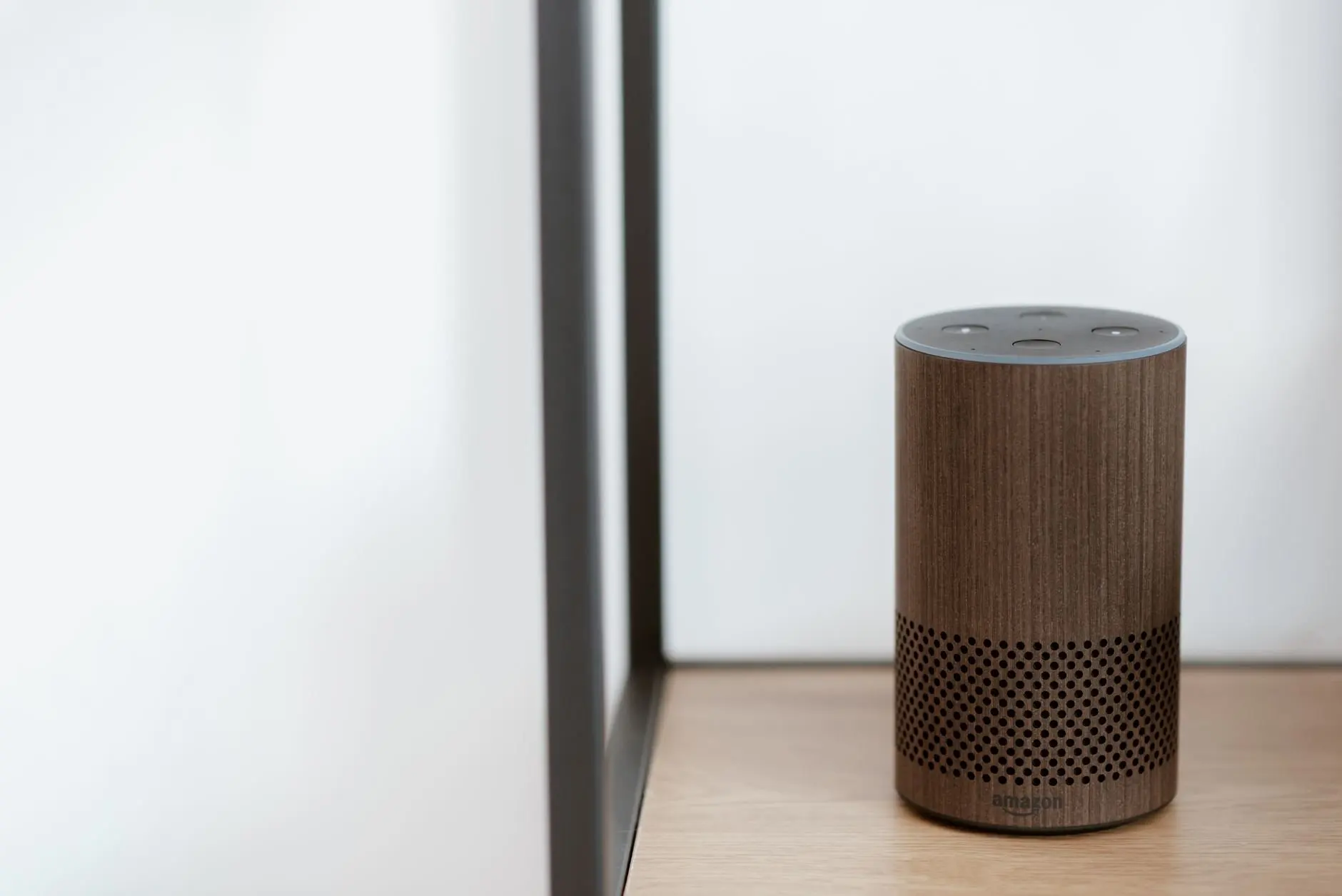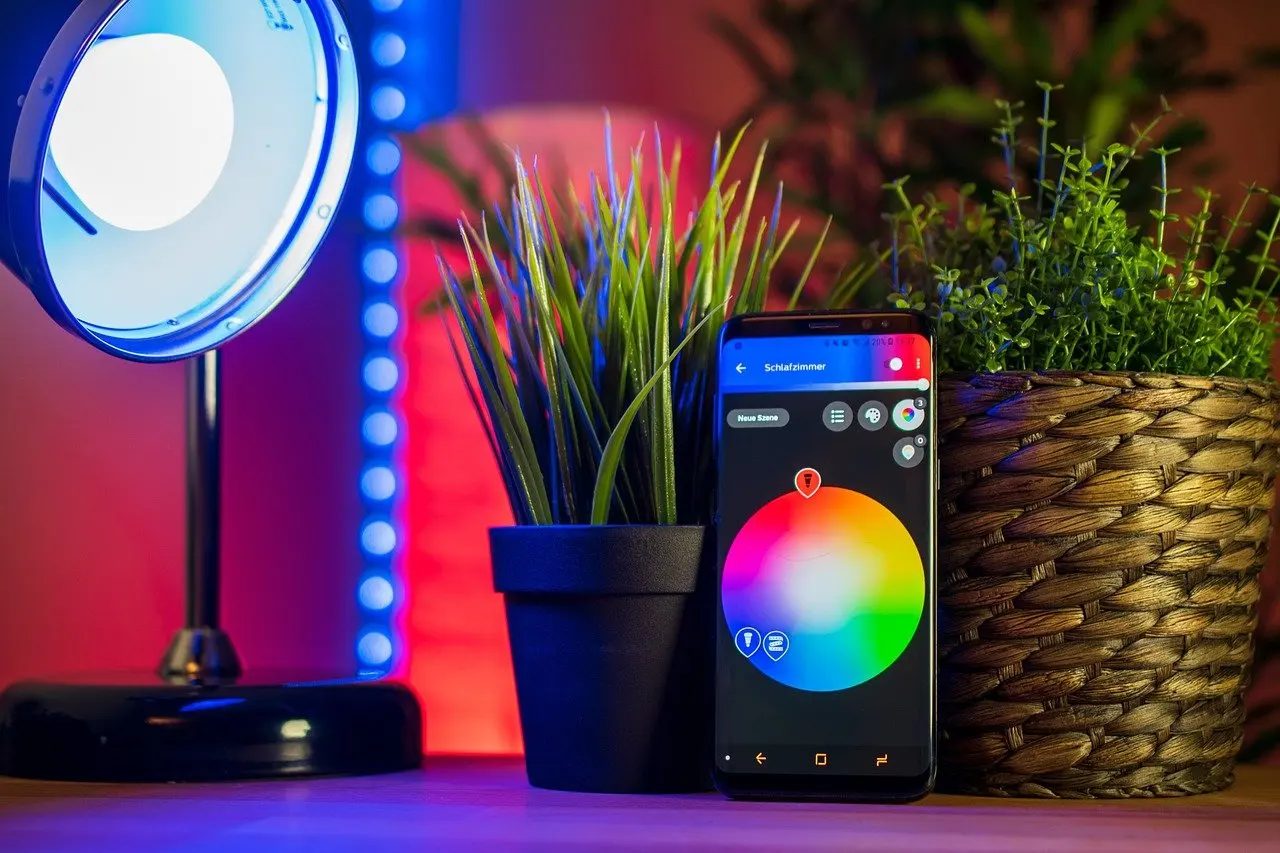
What is Matter smart home technology? It is a shared standard, published by the Connectivity Standards Alliance, that lets devices from different brands work with Apple Home, Alexa, Google Home and SmartThings, as long as the device and the app both support it.
Readers building a first setup can pair this explainer with the smart home for beginners guide, which places Matter within a complete starter setup.
The problem Matter is built to solve
Matter is a standard that aims to fix the smart home’s biggest problems: interoperability, reliability, security and ease of use, as The Verge’s Matter coverage describes it. Interoperability is the lock-in problem in plain terms. It asks whether a bulb or plug bought for one app can also be controlled from another, so that choosing a brand does not force a choice of ecosystem.
The Connectivity Standards Alliance (CSA) publishes Matter as numbered releases. According to the Matter Catalog’s version guide, Matter 1.0 was released on October 4, 2022. That release is the baseline every later version builds on.
How Matter works, step by step
Matter works as a common language between a certified device and the app that controls it. A typical Matter device goes through these stages.
- Certification. The manufacturer has the product certified against a CSA release, which is what allows it to carry Matter support.
- Setup. According to the Matter Catalog, most devices use Bluetooth Low Energy during setup to join the home network.
- Connection. Once set up, the device talks over Wi-Fi, Thread or Ethernet.
- Control. A controller in an ecosystem such as Apple Home, Amazon Alexa, Google Home or Samsung SmartThings manages the device day to day.
Wi-Fi, Thread and Ethernet
Matter runs over three transports, and the choice affects what else you need at home. Wi-Fi devices use the existing home network. Ethernet devices use a cable. Thread devices form their own mesh network, so they depend on a way to reach the rest of the home, which is the border router role described next.
Border routers and hubs
A Thread border router links a Thread network to the wider home network. It matters only if you buy Thread-based devices, because Wi-Fi and Ethernet devices do not use one. The Thread Group and the Broadband Forum have signed a liaison agreement to connect Thread networks with broadband infrastructure, which signals that the border router is moving into routine home networking equipment.
That shift is visible in routers. The Matter Catalog notes that Matter-certified home router and access point products combine a Wi-Fi access point and a Thread border router. Under Matter 1.4.2, Thread border routers in certified routers and access points must support at least 150 devices. A household with a certified router may therefore need no separate Thread hardware, while one with an older router can look for another Thread-capable device. Either way, a controller from one of the ecosystems above is still needed to manage the devices.
Device types and versions
Matter 1.0 covered lights, plugs and switches, door locks, thermostats and HVAC controls, blinds and shades, contact and motion sensors, TVs and bridges. Later releases widened the list, so the version a product is certified against shows which kind of home it is aimed at.

| Version | Released | Notable additions | Planning use |
|---|---|---|---|
| Matter 1.0 | October 4, 2022 | Lights, plugs, locks, thermostats, blinds, sensors, TVs, bridges | Covers the everyday starter devices most households buy first. |
| Matter 1.2 | October 23, 2023 | Nine device types, including robot vacuums, refrigerators and smoke alarms | Appliances and safety devices become possible; confirm the app lists the type. |
| Matter 1.4.2 | August 11, 2025 | Setup over Wi-Fi alone for products without Bluetooth; border routers in certified routers support at least 150 devices | Makes router-based setups simpler and larger Thread networks workable. |
| Matter 1.5 | November 20, 2025 | Cameras | Camera support is recent, so check each ecosystem before buying. |
| Matter 1.6 | June 17, 2026 | Setup over NFC, Joint Fabric, thermostat suggestions; no new device categories | The newest release listed adds features rather than categories, so there is little reason to delay a purchase. |
Figures come from the Matter Catalog’s explanation of Matter versions.
Support for a category in the specification is not the same as support in every app. Before buying a newer type such as a camera or appliance, check that the ecosystem you use lists it.
Alexa, Google Home and Apple Home
Yes, Matter devices work with all the major platforms. The Verge reports that Apple Home, Amazon Alexa, Google Home and Samsung SmartThings are on board with Matter. A certified plug or bulb is not tied to one of these at the point of purchase, which is the lock-in protection the standard exists to provide.
The practical condition is that both sides must support Matter. The device needs Matter certification and the controller needs to support the device type. Anyone starting with Amazon’s platform can follow the steps to how to set up Alexa first, then add Matter devices through the same app.
Matter vs Zigbee vs Z-Wave
Matter, Zigbee and Z-Wave are different answers to the same question of how smart devices talk to each other. Matter is defined by the networks it runs over, which are Wi-Fi, Thread and Ethernet. Zigbee and Z-Wave are not on that list, so a Zigbee or Z-Wave sensor does not become a Matter device by itself.
Matter 1.0 does include bridges as a device category, and that is the route by which a hub can present other devices to Matter controllers. Whether a particular Zigbee or Z-Wave hub does this depends on its maker, so check the hub’s own support information before relying on it.

For most households the decision is simple. A new purchase with Matter support keeps ecosystem choices open. Working Zigbee or Z-Wave equipment can stay in place and keep running through its existing hub, rather than being replaced to chase the standard.
Setting up and existing devices
Will existing devices work with Matter?
An existing device works as a Matter device only if it carries Matter certification. Products sold before the standard, or without certification, keep working with their own app and hub but are not automatically part of a Matter setup. A bridge can sometimes close the gap, as the previous section explains.
Households that prize easy setup above all can read the guide to smart home devices for seniors, where low-effort pairing is a deciding factor.
Pairing a new Matter device
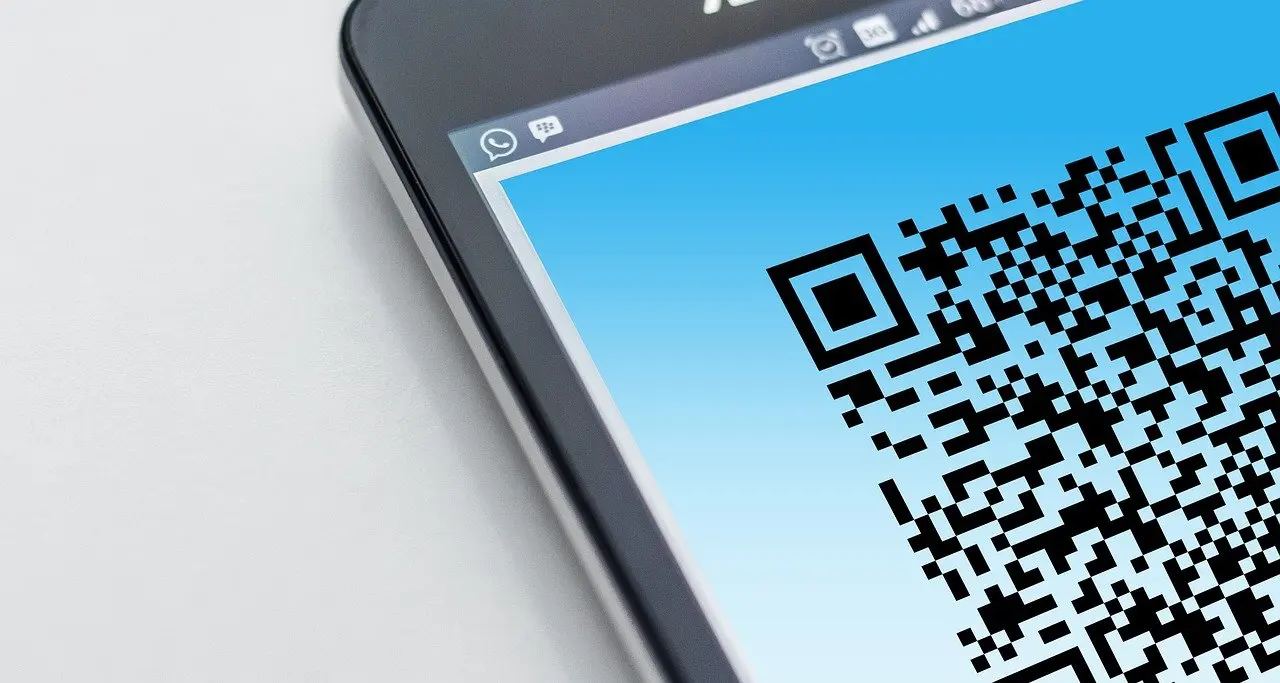
Pairing starts in the controller’s app. The app asks you to add a device, scans the code on the device or its packaging, and then uses Bluetooth Low Energy to bring the device onto the home network. After that, the device appears in the app alongside everything else.
Newer setup options
Setup has become less fiddly with each release. According to HomeKit News on Matter 1.4.1, a Multi-Device Setup QR code lets you commission multiple devices from a single scan, and NFC tag onboarding was added alongside it. The Matter Catalog adds that Matter 1.4.2 allows setup over Wi-Fi alone for products without Bluetooth, and Matter 1.6 adds setup over NFC.
If you are buying several devices at once, look for products that support these newer methods, since one scan can replace repeating the pairing steps for each item.
Frequently asked questions
Who is behind Matter?
The Connectivity Standards Alliance develops and publishes it. The standard grew out of Project CHIP, short for Connected Home over IP, which the CSA renamed Matter in May 2021, according to the Matter Catalog.
Is Matter the same thing as Thread?
No. Matter is the standard that devices and apps speak. Thread is one of the networks Matter can run on, next to Wi-Fi and Ethernet.
Does Matter improve security?
Security is one of the four goals Matter aims to fix, according to The Verge. The CSA’s Product Security Certification extends certification beyond devices to include apps, gateways and remote processes.
Which Matter version do most products use?
Matter 1.4 is the most common release among certified products. The Matter Catalog reports that 5,272 of 12,993 certified product models have their newest certification on it.