The best wireless earbuds depend on your phone and your day: iPhone users get AAC only, noise cancelling suits noisy travel but costs runtime, and a water rating matters only if you sweat or walk in rain.
For the wider shopping checklist, see how to choose wireless earbuds. This page narrows the choice to published specs: codecs, battery figures and ingress ratings.
Quick answer by situation
Start with what you do most, because each spec only pays off in a specific situation.
- iPhone or iPad owners: AAC is the only codec in practice, and Blafili’s codec comparison notes that Apple devices ignore aptX and LDAC. Do not pay extra for aptX support.
- Android owners: look for a codec your phone and the earbuds share, since aptX needs a licence at both ends.
- Noisy commuters: choose active noise cancellation and accept shorter runtime. The OnePlus Buds Pro, for example, are listed at 5 hours with ANC on and 7 hours with it off, per Headphone Day’s durability roundup.
- Long days away from a charger: Scorata’s battery notes put the Sennheiser Momentum True Wireless 5 at around 40 hours total with the case and ANC off.
- Gym and rain: pick a model with a stated IP rating. In the set compared below, the Soundcore Life A1 lists IPX7.
How to evaluate earbuds by specs
Work through the criteria in this order, because the early steps rule out options before battery or price comes into play.
- Identify your phone’s codec ceiling. An iPhone limits you to AAC, so extra codec support adds nothing. An Android phone may support more.
- Decide how much noise you need to remove. Constant traffic, trains and aircraft favour active cancellation. Quiet offices and walks do not.
- Read battery as two figures. Per-charge time in the earbuds decides whether a long flight or workday is covered. Total time with the case only counts if you can top up.
- Check the IP rating. Treat a missing rating as unrated, not as safe for rain or sweat.
- Compare candidates in one table. The side-by-side table later on this page lets you check all four criteria at once.
Bluetooth codecs and your phone
Bluetooth codecs are the compression methods that carry audio from phone to earbuds, and the phone and earbuds must both support a codec for it to be used. The figures below are ceilings, not guarantees, as Blafili’s comparison stresses: link conditions decide the result.
| Codec | Listed figures | Planning use |
|---|---|---|
| SBC | About 328 kbps; bitpool range 192–345 kbps at 16-bit/48 kHz | The baseline every pair supports. |
| AAC | Commonly around 256 kbps | The codec that matters on iPhone. |
| aptX | 352 kbps at 16-bit/44.1 kHz | Android only, with support at both ends. |
| aptX HD | 576 kbps at 24-bit/48 kHz | A higher ceiling, again needing both ends. |
| aptX Low Latency | 32–40 ms delay | Relevant for video and games. |
| aptX Adaptive | 279–420 kbps, dynamic; under 80 ms in low-latency mode | Adjusts to the link rather than holding a fixed rate. |
| LDAC | 330, 660 and 990 kbps modes; input up to 24-bit/96 kHz | Highest ceiling, and it shortens runtime. |
These figures come from Blafili’s Bluetooth codec comparison.
Whether aptX or AAC makes an audible difference on your phone depends first on the phone. On an iPhone, AAC is the only option, so the aptX versus AAC question is settled before you shop. On Android, aptX can lift the bitrate ceiling from AAC’s typical 256 kbps to 352 kbps for classic aptX, and its low-latency variants cut delay, which helps most with video and games.
None of them lists aptX, so AAC is the shared codec for this group.
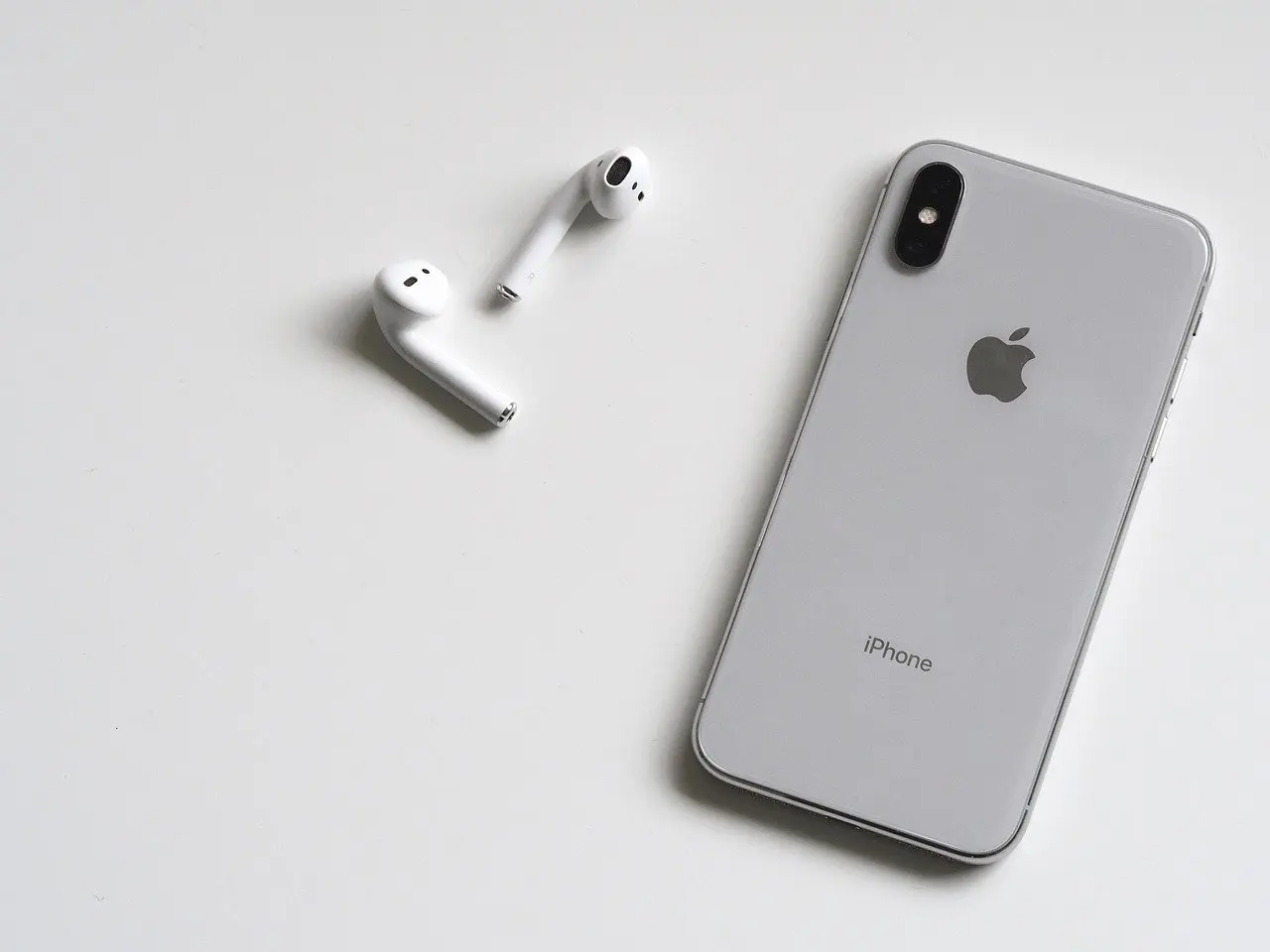
Checking the active codec differs by platform. iPhones do not expose it. On Android, enable Developer Options and open the Bluetooth audio codec selector while audio is playing.
Noise cancelling versus regular earbuds
Active noise cancellation is worth it if you regularly sit in constant low-frequency noise, and regular earbuds are enough if your listening is mostly quiet. The trade-off is battery. Scorata’s notes say ANC, LDAC and frequent calls shorten runtime considerably.
Passive isolation
Regular earbuds rely on passive isolation, which comes from how well the tip seals in the ear. The Jaybird Vista is listed with passive noise isolation, according to Headphone Day. That suits runners and gym users who also want to hear their surroundings, and it avoids the runtime cost of cancelling.
Active cancellation
Active cancellation uses microphones to reduce outside sound. The same roundup says the Jabra Elite 75t isolates background noise actively, and the OnePlus Buds Pro list a 5-hour playtime that rises to 7 hours with ANC off. Choose cancelling when your daily noise is a train, bus or open-plan office, and choose a model whose runtime still covers your longest stretch with ANC on.

Battery life per charge and with the case
Earbud battery life has two layers: hours in the earbuds themselves and extra hours stored in the case. The Jaybird Vista shows both clearly, with a listed 28 hours total made up of 7.5 hours in the earbuds and 20.5 hours in the charging case, per Headphone Day.
Per-charge figures decide the long journey, while case totals decide how often you plug in. The Jabra Elite Active 75t is listed at up to 7.5 hours, and the Soundcore Life A1 at 9 hours.
Treat every listed figure as a best case. Features such as ANC, LDAC and frequent calls cut runtime, so someone who takes many calls with ANC on should expect less than the headline number and favour a model with more per-charge headroom.
Water resistance and IP ratings
An IP rating is the only standardised claim about water exposure, and in this comparison only the Soundcore Life A1 states one: IPX7, according to Headphone Day. For sweaty workouts or rain, that makes it the safest listed pick, while models without a stated rating should be treated as unrated.
Before buying any model for outdoor or gym use, confirm the rating on the manufacturer’s own product page, since the rating belongs to the specific model and revision.
Side-by-side spec table
The table collects the published figures for the compared models. “Not listed” means the cited specs give no figure, so check the maker’s page before relying on it.
| Model | Per charge (earbuds) | Total with case | Codecs | IP rating | Noise handling |
|---|---|---|---|---|---|
| Jaybird Vista | 7.5 hours | 28 hours | Not listed | Not listed | Passive isolation |
| Jabra Elite Active 75t | Up to 7.5 hours | Not listed | SBC, AAC | Not listed | Not listed |
| OnePlus Buds Pro | 5 hours (7 hours with ANC off) | Not listed | SBC, AAC, LHDC | Not listed | ANC |
| Sennheiser Momentum True Wireless 5 | Not listed | About 40 hours, ANC off | Not listed | Not listed | ANC |
| Soundcore Life A1 | 9 hours | Not listed | Not listed | IPX7 | Not listed |
| Bose SoundSport | Not listed | Not listed | SBC and AAC only | Not listed | Not listed |
Figures are drawn from Headphone Day’s earbud roundup and Scorata’s earbud battery notes.
Which earbuds suit which listener
- Frequent flyers and commuters on Android or iPhone: the Sennheiser Momentum True Wireless 5 offers the largest listed total, and the OnePlus Buds Pro add ANC with a codec list that includes AAC.
- Runners who want awareness of traffic: the Jaybird Vista combines passive isolation with a large case reserve.
- Gym and rain users: the Soundcore Life A1 is the one model here with a stated IPX7 rating and a 9-hour listed runtime.
- iPhone owners comparing codecs: the Jabra Elite Active 75t and Bose SoundSport both list AAC, which is all an iPhone will use.
If you are still choosing between categories, the same logic extends to other everyday gadgets covered in the buying guide linked at the top.

Frequently asked questions
| Question | Answer |
|---|---|
| How can I see which codec my phone is using? | Android users can see the selected codec by turning on Developer Options and checking the Bluetooth audio codec selector during playback. iPhones do not expose the active codec. |
| Does aptX need support on the earbuds too? | Yes. aptX is licensed at both ends, so the phone and the earbuds must both support it. |
| Do earbuds without noise cancelling block any noise? | They rely on passive isolation, as the Jaybird Vista is listed. The result depends on how well the ear tip seals. |
| Is every compared model water resistant? | No. Only the Soundcore Life A1 lists a rating here, IPX7. Confirm others with the manufacturer before using them in rain. |