The best electric toothbrush is a rechargeable one with a built-in timer and a replacement head price you can live with, because sonic and oscillating-rotating motions both clean effectively.
Picture a bathroom drawer holding a worn manual brush and a shopping list that runs wide: electric toothbrushes range from $15 up to around $300. Price alone does not separate the useful from the decorative. This shortlist ranks the options by what they do, who they suit and what the heads cost to keep running.
Shoppers who like to compare buying logic across devices can also read how to choose wireless earbuds in the how to choose wireless earbuds section of the gadgets hub.
Philips Sonicare ProtectiveClean 6100: the all-round pick
The ProtectiveClean 6100 is a sonic handle that Philips lists at $109.95, with 3 modes, 3 intensities and a travel case. It is the strongest all-rounder here because it combines the features with dental logic behind them and a case for carrying it.
Philips says the pressure sensors in ProtectiveClean models help protect teeth, and that a gentle pulsing sound signals when you are pressing too hard. That makes it a good match for anyone who suspects they scrub aggressively, since a manual brush gives no warning at all.
The limits are straightforward. It is a sonic design from one brand, so it suits people who are happy with that motion, and its price sits well inside the wider range of electric brushes. If you never press too hard and brush in short sessions, a cheaper handle with a decent timer may serve you equally well.
Philips Sonicare Prestige 9900: for people who want more settings
The Prestige 9900 is the feature-heavy option, with 5 modes, 3 intensities and a visual pressure sensor. The visual indicator suits people who prefer to see feedback on the handle instead of listening for a sound.
More modes help most when your mouth has specific needs. Higher-priced electric brushes commonly add settings such as sensitive and massage modes and a charge-level display. Those are comfort and convenience touches.
Best cheap electric toothbrush: what to look for at the low end
Entry-level electric brushes start around $15, according to a local dental column on choosing an electric toothbrush. At that level, the best cheap electric toothbrush is the one that still gets the basics right instead of the one with the most modes.
- Rechargeable over disposable batteries. The same column describes rechargeable models with a charging station as more convenient and more cost-effective than brushes that use replaceable batteries, so the dearer handle can be the cheaper choice over time.
- A soft head. The American Dental Association, as cited by Philips, recommends soft-bristled toothbrushes to minimize the risk of gingival injury.
- A timer. Without one, most people fall short of the recommended brushing time, as explained in the features section below.
- Affordable heads. A low handle price can be undone by pricey refills, so check the head cost before committing.
Skip app connectivity, extra modes and charge displays on a tight budget. They add cost without changing how well the basic motion cleans.
Best travel electric toothbrush
The best travel electric toothbrush is the one that arrives with its own protection. Of the models here, the ProtectiveClean 6100 is the one listed with a travel case, which keeps the head clean and the handle from being knocked about in a bag.
Battery matters as much as the case. Philips says a charged handle should last up to 3 weeks when brushing 2 minutes twice a day. That is an upper limit, not a promise, so top up before leaving and keep the charging cable in the case for longer trips.
Sonic or oscillating-rotating: which motion is better?
Neither wins on cleaning. The dental column states that both spinning and sonic methods are effective and a matter of personal preference. A sonic toothbrush and an oscillating-rotating toothbrush therefore compete on other terms.
Those terms are handle comfort, head shape, battery, protective features and the ongoing price of heads. Choose the motion you find comfortable, then use the rest of this list to separate models. Do not pay extra for a motion on the assumption that it cleans better.
Features backed by dental guidance
Three features have a clear dental rationale: a timer, a pressure sensor and a soft head.
Two-minute timer
The column notes that most dentists recommend brushing for two minutes, yet most adults brush less than 60 seconds. A built-in two-minute timer is the most direct fix, which is why it should be non-negotiable on any handle you buy.
Pressure sensor
A pressure sensor is the second feature worth paying for if you brush hard. Choose according to whether you would notice a sound or a light.
Soft brush head
The soft-bristle recommendation from the ADA applies to the head you fit, so check the bristle type when you buy refills, not just the handle.
Smart electric toothbrushes: are they worth it?
For most people, smart electric toothbrushes are a nice extra, not a necessity. They connect to a smartphone or tablet via Bluetooth to track brushing habits, and Philips says its Sonicare app offers AI support with personalized recommendations and actionable steps.
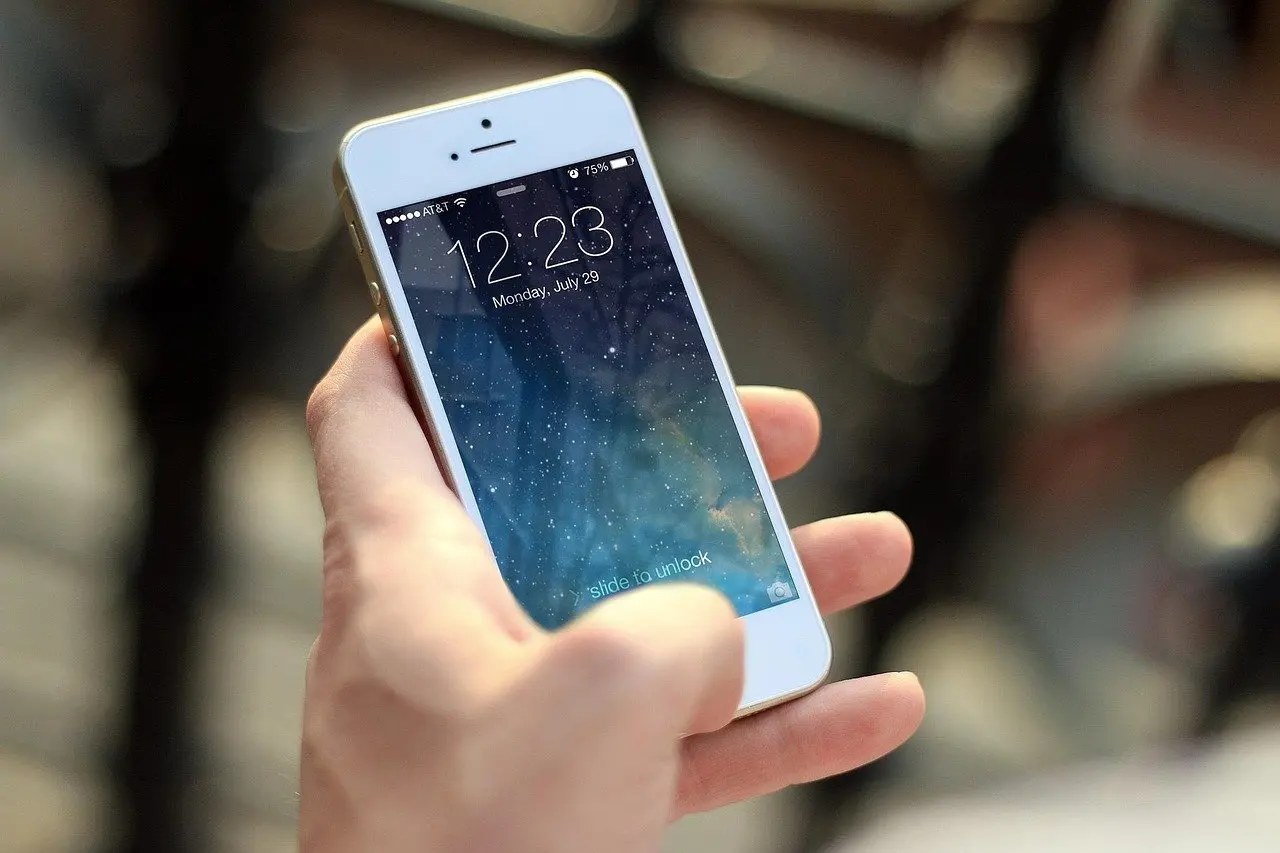
The case for paying more is feedback. If you know you rush and want a record of your habits, an app can nudge you in the right direction. The case against is that the protections with an obvious dental purpose, namely the timer, pressure warning and soft head, work without a phone. An app adds value only on top of those.
Treat app features as a tie-breaker between two otherwise similar handles. Do not stretch your budget for them, and do not expect them to make a poor brushing routine better without your attention.

Battery life and charging
A rechargeable handle with a charging station is the better default. The dental column calls such brushes much more convenient and cost-effective than toothbrushes that use replaceable batteries, and the battery-life figure to use is Philips’ up to 3 weeks on a full charge.
That figure assumes brushing for 2 minutes, twice a day, so heavier use means more frequent charging. Charging type matters as much as endurance: a stand that stays on the counter suits home use, while a handle that can recharge from a cable you already own suits travel. A charge-level display, found on some higher-priced models, takes the guesswork out of when to plug in.
Replacement heads and running cost
The handle is a one-off purchase, but heads recur, which makes them the true running cost. The listed Philips prices below show how far the head cost can vary by pack.
| Item | Listed price | What it is | Planning use |
|---|---|---|---|
| ProtectiveClean 6100 handle | $109.95 | Sonic handle with 3 modes, 3 intensities and a travel case | One-off cost; the best all-round starting point |
| SimplyClean 5-pack heads | $39.99 | Replacement heads, white | Stocks several refills in one purchase |
| C3 Two-in-one 2-pack heads | $29.99 | Replacement heads | Smaller pack; compare like with like against other head types |
Prices are as listed by Philips in its electric toothbrush buying guide.
The practical rule is to price the heads before buying the handle. A cheaper handle with costly or hard-to-find refills can end up dearer than a mid-priced one. Pack size and head type both change the cost, so compare pack prices for the exact head your handle takes. The same refill-cost lens helps with other household devices too, including the best robot vacuum.
A short decision checklist
- Set your handle budget first, remembering the market spans from about $15 to around $300.
- Pick the motion you find comfortable, since effectiveness is not the deciding factor.
- Confirm a built-in timer and a rechargeable battery.
- Add a pressure sensor if you tend to brush hard.
- Price the replacement heads for that exact handle.
- Consider app features last, and only if the price gap is small.
Frequently asked questions
Is an electric toothbrush better than a manual one?
Powered brushing is linked to effective plaque removal and a reduction in the risk of gingival bleeding, according to the research Philips cites. Philips also claims its brush removes up to 7x more plaque than a manual toothbrush, but that figure is the manufacturer’s own claim, so treat it as marketing rather than independent evidence.
How often should brush heads be replaced?
On Philips Sonicare handles, the replacement reminder blinks amber and the handle sounds a series of beeps when the head needs replacing. Follow that cue where your brush has one, and choose soft-bristled heads when you restock.
What does a quadrant timer do?
A quadrant timer splits the two minutes into four 30-second intervals, so each part of the mouth gets an equal share of the recommended brushing time.
Will any replacement head fit my handle?
Not always. The Philips head listed in its guide fits any Philips Sonicare handle except Philips One and Essence, so check handle compatibility before buying a pack.